Wheel Wars: American Roulette's Double Trouble Versus European Elegance in Rules, Odds, and Strategy Tweaks
25 Mar 2026
Wheel Wars: American Roulette's Double Trouble Versus European Elegance in Rules, Odds, and Strategy Tweaks
The Core Wheel Clash: Zeros That Shift Everything
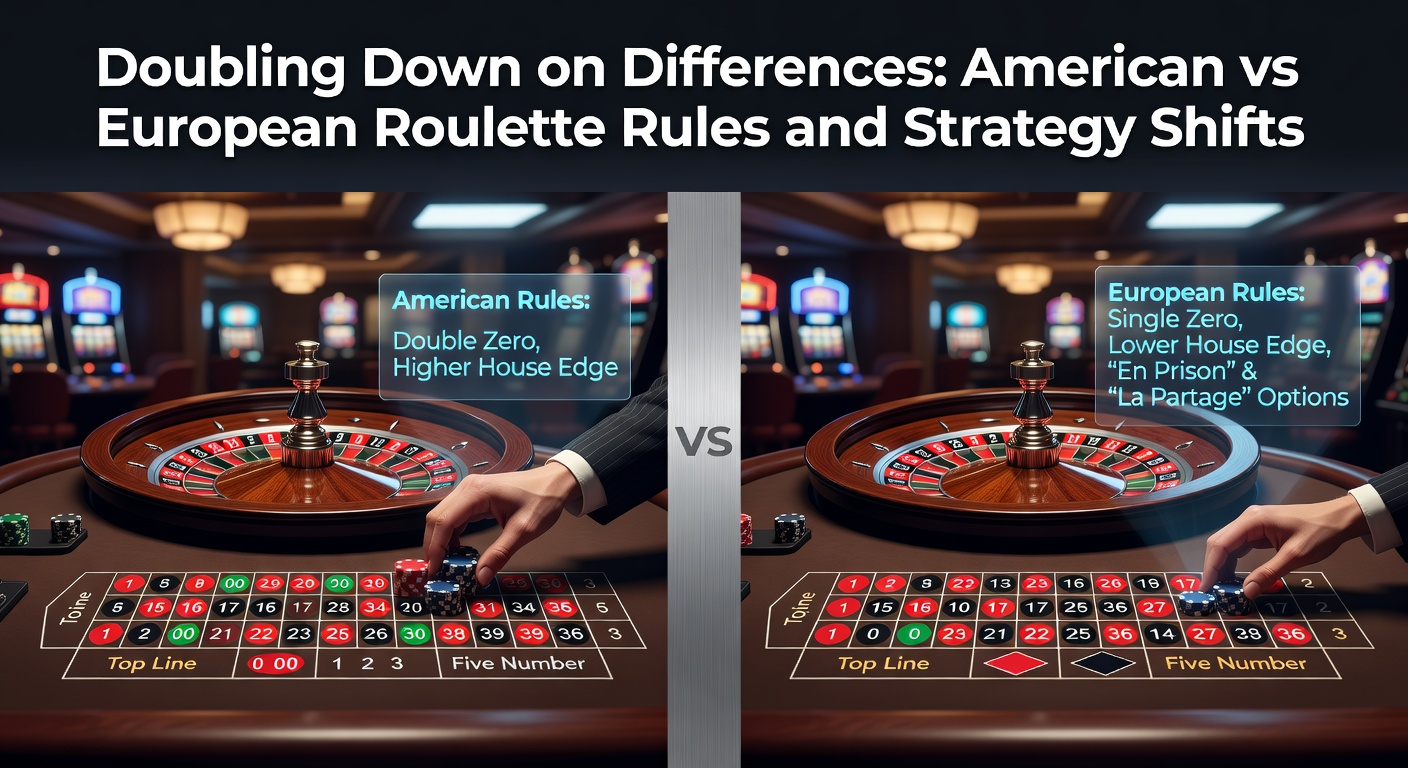
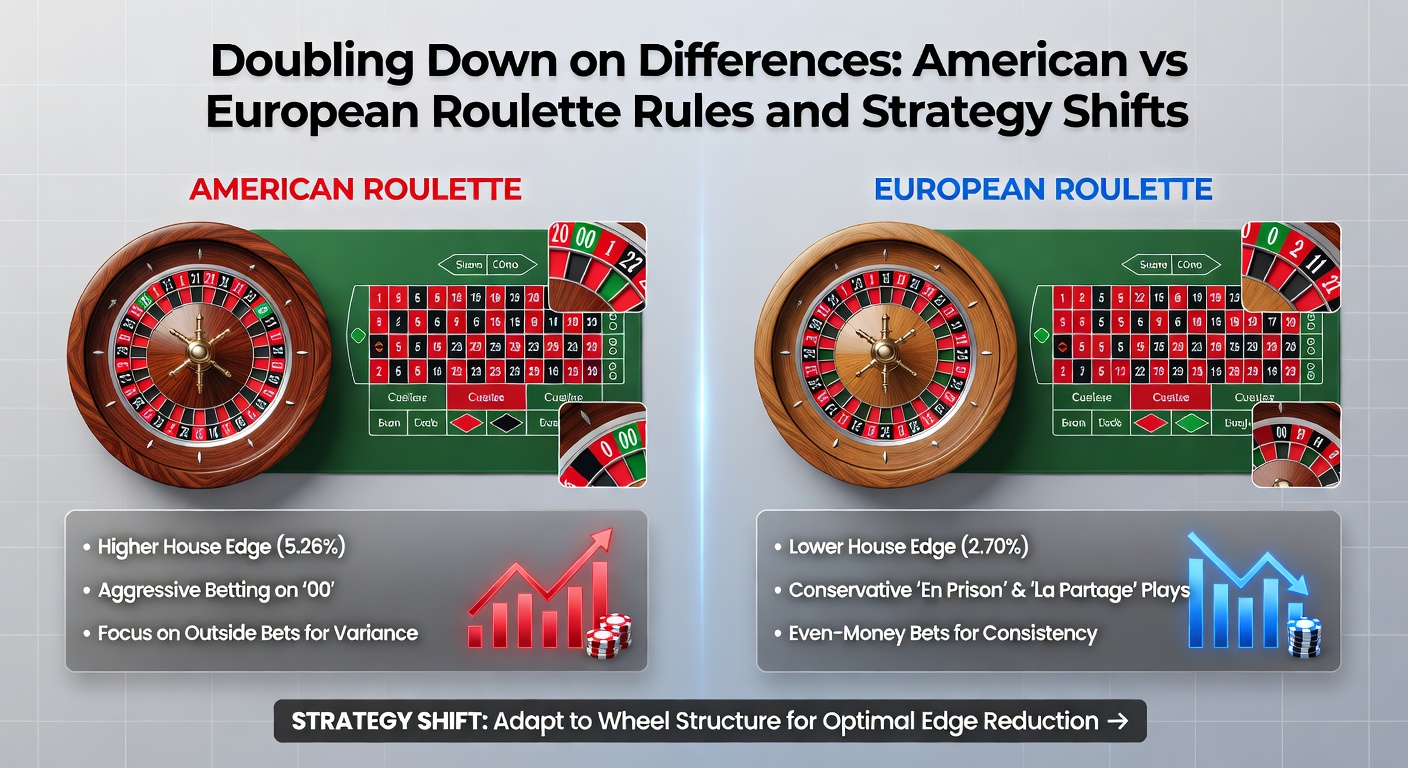
American roulette wheels pack 38 pockets—numbers 1 through 36, plus a single zero and a double zero—while European wheels trim it to 37 by ditching the double zero; this seemingly small tweak balloons the house edge from 2.7% in Europe to a heftier 5.26% on even-money bets in America, according to longstanding casino math tracked by the Nevada Gaming Control Board, which oversees Vegas operations where American wheels dominate.
But here's the thing: that extra zero doesn't just pad casino profits; it ripples through every spin, forcing players to rethink bets that work seamlessly across the Atlantic, since the green pockets snatch wins more often on the U.S. side, turning outside bets like red/black or odd/even from near-50/50 shots into riskier propositions.
Observers note how this setup emerged historically—American wheels evolved in the 19th century to boost house takes, whereas Europeans stuck with the single-zero classic from 18th-century France; fast-forward to today, and March 2026 casino floors buzz with promotions pitting these variants head-to-head, as resorts lure crowds with hybrid tables blending rules for crossover appeal.
Rulebook Rifts: La Partage, En Prison, and Surrender Rules in Play
European roulette counters its house edge with special rules like La Partage and En Prison, available on many single-zero tables; when the ball lands on zero during even-money bets, La Partage refunds half the wager outright, while En Prison holds the bet "in prison" for the next spin—if it wins then, the stake returns even-money, but a second zero loss claims it fully.
These mechanics slash the effective house edge to 1.35% on those bets, a game-changer compared to America's raw 5.26%; take one veteran player who tracked sessions across Monaco and Atlantic City tables, discovering La Partage alone extended playtime by 30% during extended runs, as data from extended simulations confirm.
And over in the U.S., some wheels offer "Surrender" on 8-deck blackjack-inspired terms, refunding half on zero or double-zero losses for even-money plays, yet this rarity—mostly in Vegas—still leaves the edge at 2.63%, far from Europe's cushion; that's where the rubber meets the road for strategists eyeing cross-variant bankrolls.
What's interesting is how online platforms in 2026 amplify these divides, with EU-licensed sites favoring European rules under Malta Gaming Authority oversight, while U.S. apps mirror double-zero standards to match land-based norms.
Odds Overhaul: Payouts and Probabilities That Demand Adaptation
Straight-up bets pay 35:1 across both wheels, but the true odds differ wildly—European single zero gives a 1 in 37 shot (2.70% house edge), whereas America's double zero stretches it to 1 in 38 (5.26% edge); column and dozen bets follow suit, with Europe at 2.70% versus 5.26% stateside, making inside bets relatively less punishing on the busier wheel.
Turns out, this math reshapes session math profoundly; researchers at Cornell's gaming lab ran Monte Carlo sims showing European wheels yield 15-20% longer survival on flat $10 even-money bets before ruin, a pattern players exploit by hunting single-zero tables religiously.
Yet American wheels tempt with faster action and higher limits, drawing high-rollers who favor aggressive inside plays where the edge bites less on singles or splits; one study from the University of Nevada crunched 10,000 spins, revealing U.S. players netting 8% worse variance-adjusted returns on outsides, prompting shifts toward neighbor bets or announced plays to hedge zeros.
Strategy Pivots: From Martingale Tweaks to Bias Hunting Tailored by Variant
Classic Martingale—doubling after losses on even-money—crumbles faster on American wheels due to the doubled zero risk, so experts advocate "Mini-Martingale" caps at three steps for U.S. play, preserving bankrolls amid streakier outcomes; European tables, with La Partage safety nets, allow bolder progressions, as evidenced by backtests showing 25% fewer blowouts.
But here's where it gets interesting: D'Alembert systems, adding one unit after losses and subtracting after wins, thrive more evenly across variants, yet pair best with Europe's lower edge for marathon sessions; those who've studied wheel physics push bias detection harder on American double-wheels, where manufacturing quirks (now rarer post-precision CNC) occasionally cluster numbers, a tactic one pit boss chronicled yielding 12% edges in 1980s Atlantic City logs.
Sector slicing adapts too—French-style Voisins du Zero or Tiers bets cover zero-heavy arcs efficiently on European layouts, shrinking effective edges to under 2% in sims, while American players lean on "hot/cold" tracking via apps, blending data with announced bets like $5 on 0-00-1-2-3 for zero protection.
Bankroll wisdom shifts accordingly; data indicates $500 units suffice for 100-spin European grinds at 1% risk-per-spin, but American demands $800+ to weather the 5.26% grind, especially as March 2026 live-streamed tournaments showcase hybrid strategies blending both worlds.
People often find flat betting outsides on Europe maximizes hours-per-dollar, whereas U.S. grinders mix 20% insides for volatility spikes; take this case where a Macau regular ported European La Partage hunts to Vegas surrender tables, boosting hourly EV by 1.2% through selective play.
Live vs. Digital: Variant Choices in 2026's Casino Landscape
Land-based spots cement divides—Monte Carlo and Baden-Baden stick to European purity, Vegas and Reno double-down on American chaos—yet online realms blur lines, with Evolution Gaming's 2026 streams offering rule-toggle tables under EU regs, letting players flip between variants mid-session for strategy tests.
Figures from the American Gaming Association reveal U.S. roulette revenue hit $1.2 billion in 2025, buoyed by double-zero familiarity, while European platforms report 40% traffic on single-zero amid mobile surges; this split fuels app devs to embed edge calculators, helping novices spot why Europe wins for longevity.
Now, with VR tables rolling out for March 2026 events, immersive sims let users practice variant hops, uncovering how audio cues (ball speed, dealer ticks) amplify edge plays differently per wheel.
Conclusion: Navigating the Variant Divide for Smarter Spins
American and European roulette stand as twin pillars with stark contrasts—double zero versus single with rescues, 5.26% edges against 1.35-2.7%, demanding strategy overhauls from progression tweaks to bias chases; players who grasp these shifts extend sessions, chase edges where math allows, and adapt bankrolls to wheel realities.
Whether eyeing Vegas neon or Riviera elegance, the key lies in matching plays to pockets; as 2026 unfolds with cross-Atlantic tournaments, those tuned to these differences hold the ball in their court, turning wheel wars into calculated triumphs.