UK Punters Chase the Next Big Win: Surging Trends and Headlines Reshaping the Betting Landscape
18 Mar 2026
UK Gambling Commission Unveils Q2 2025-26 Stats: £4.3 Billion GGY Highlights Remote Sector Dominance

The Headline Numbers from the Latest Quarterly Report
Great Britain's gambling industry clocked in a total gross gambling yield (GGY) of £4.3 billion across all customer-facing sectors during Quarter 2 of the financial year April 2025 to March 2026—that's July through September 2025, according to the UK Gambling Commission's official statistics. Strip out lotteries, and that figure drops to £3.2 billion, revealing how much those draws still pack a punch in the overall tally. Observers point out these numbers reflect steady performance amid ongoing shifts, with remote activities pulling ahead while land-based operations hold their ground, albeit at lower levels.
GGY, for those tracking the metrics, measures total stakes placed minus winnings paid out—so it's the net revenue operators keep before other costs kick in—and these quarterly snapshots have aligned consistently since July 2024, giving analysts a clearer picture quarter over quarter. The remote casino, betting, and bingo sector alone raked in £2.0 billion, dominating the non-lottery space; within that, remote casino slots and tables contributed a hefty £1.4 billion, underscoring where players are spending most of their time and money these days.
Remote Sectors Surge Ahead in Digital Shift
Turns out remote gambling isn't just growing—it's leading the charge, with that £2.0 billion GGY from casino, betting, and bingo online operations outpacing everything else combined outside lotteries. Experts have observed how remote casino alone hit £1.4 billion, a figure that dwarfs other remote categories and signals player preference for anytime, anywhere access via apps and sites; betting followed with solid contributions from sports wagers, while bingo held steady in its niche, appealing to those loyal online communities.
What's interesting here lies in the granularity: data from the industry statistics report breaks it down further, showing remote casino's strength driven by slots and live dealer games that mimic land-based thrills without the travel. People who've studied these trends note the convenience factor—bet from your sofa during a rainy September evening, and operators capture that volume effortlessly, boosting yields while land-based venues grapple with foot traffic dips.
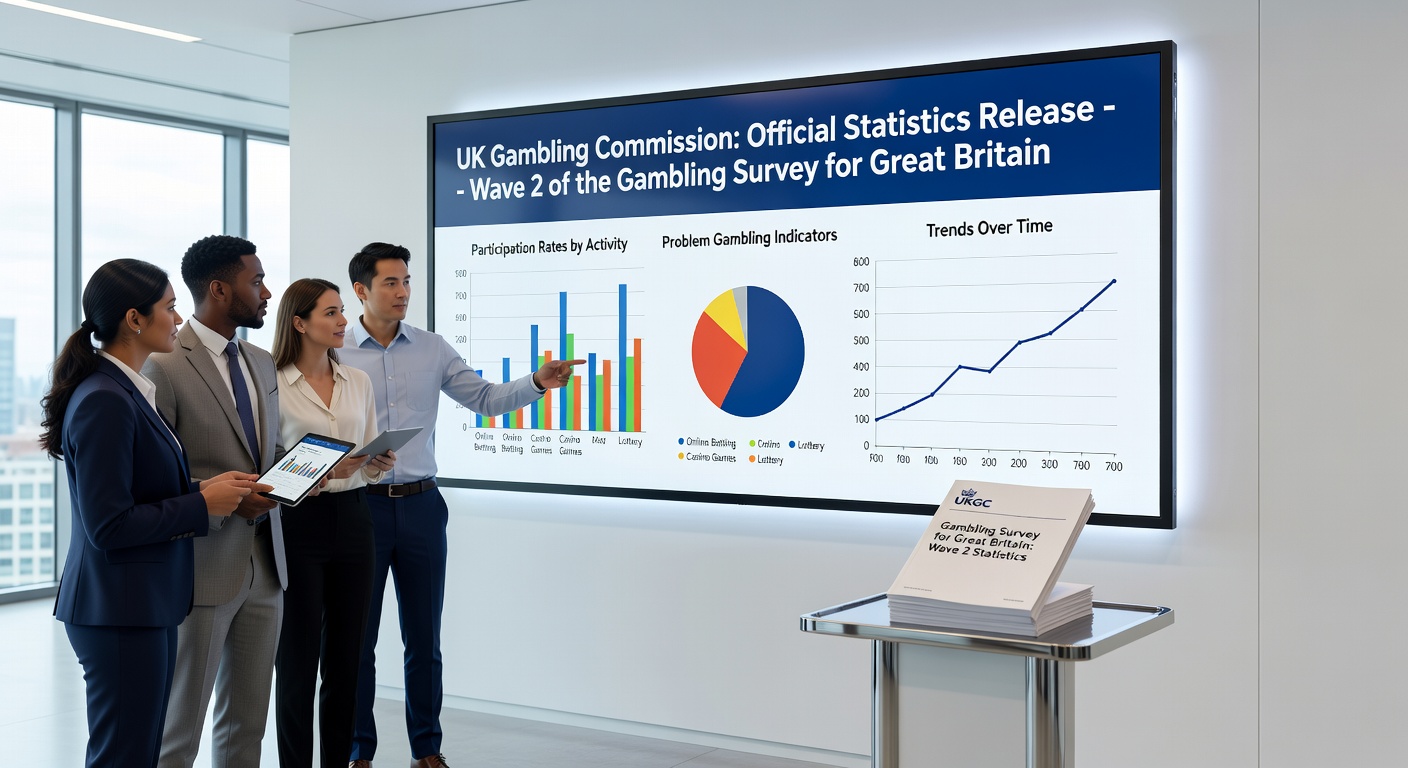
Land-Based Holds Firm but Trails Remote Growth
Land-based sectors generated £1.2 billion in GGY over the same period, a respectable haul from casinos, betting shops, and arcades that keeps the high street alive, although it pales next to remote's double billion mark. Casinos on the ground pulled in their share through table games and machines, betting shops thrived on in-person sports punters especially during peak football seasons, and bingo halls drew crowds for social nights out—yet the total underscores a broader pivot, where physical locations contribute but don't dictate the industry's direction anymore.
But here's the thing: that £1.2 billion isn't shrinking outright; it reflects adaptation, with operators blending digital tools into physical spaces, like apps for loyalty points or hybrid events that lure people through the doors. Figures reveal land-based bingo and arcades punching above their weight per venue, often because communities rally around them as local hubs, even as younger players lean digital.
Lotteries: The Steady Giant in the Mix
Include lotteries, and the full £4.3 billion picture snaps into focus, with those National Lottery draws and society lotteries accounting for the £1.1 billion gap between total and non-lottery GGY. Data indicates lotteries remain a staple, drawing millions weekly for jackpots that capture national imagination; operators report consistent participation, fueled by draws that promise life-changing wins, and their exclusion from core comparisons highlights how they operate in a league of their own, regulated yet insulated from daily betting fluxes.
Researchers who've dissected these stats point to lotteries' resilience—unaffected much by remote shifts since they're inherently ticket-based, whether bought in shops or online—making them the ballast that steadies the industry's overall yield. One case in point: during Q2's summer lull for some sports, lotteries filled the void, keeping total GGY robust heading into autumn.
Quarterly Reporting Alignment Powers Better Insights
Since July 2024, the UK Gambling Commission has streamlined its quarterly reporting, aligning calendars so these July-September figures slot neatly into teh April 2025-March 2026 financial year; that consistency lets stakeholders track trajectories without seasonal distortions clouding the view. Observers note this change sharpens focus on true performance, revealing patterns like remote's inexorable rise over nine straight quarters now, while land-based stabilizes rather than slides.
And it pays off: analysts now project with more precision, spotting how Q2's numbers fit the fiscal year's arc, especially as March 2026 looms with year-end audits and potential regulatory tweaks on the horizon. The reality is, these aligned stats arm policymakers too, informing affordability checks and safer gambling pushes without guesswork.
Sector Deep Dive: Where the Money Flows
Zoom into remote casino's £1.4 billion, and patterns emerge—slots dominate as ever, with their quick spins and themes hooking players for hours, but live dealer tables gain traction, offering blackjack and roulette vibes that bridge online solitude with social buzz. Betting's slice within the £2.0 billion remote total ties to football leagues wrapping up in September, horse racing meets, and emerging esports wagers that draw tech-savvy crowds; bingo, meanwhile, carves a £200-300 million niche (estimates from the breakdown), thriving on chat rooms and progressive jackpots.
Land-based tells a parallel story: betting shops hit highs during match days, casinos leaned on high-rollers for tables, and arcades catered to family outings with low-stakes fun—yet venue closures remain rare, as £1.2 billion sustains jobs and taxes. Lotteries? Their £1.1 billion splits between the big National Lottery operator and smaller society draws, with online sales now rivaling physical tickets, blending old and new seamlessly.
- Remote casino: £1.4 billion – slots and live games lead.
- Remote betting: Key sports driver in the mix.
- Remote bingo: Community-focused steady earner.
- Land-based total: £1.2 billion across casinos, shops, halls.
- Lotteries: £1.1 billion uplift to grand total.
These breakdowns, straight from the Commission's data, paint a multifaceted industry; no single sector carries it alone, but remote's momentum sets the pace.
Broader Context as FY Nears March 2026 Close
With Q2 in the books, the financial year April 2025 to March 2026 shapes up steadily, these £4.3 billion figures positioning the sector well for Q3's holiday spikes and Q4's fiscal crunch. People in the know highlight how remote's edge prepares operators for regulatory scrutiny come March 2026, when annual reviews assess compliance amid rising player protection mandates; land-based, too, eyes hybrid models to claw back share.
That's where the rubber meets the road: Commission stats don't just report—they guide, showing remote's £2.0 billion as the growth engine, lotteries as the anchor, and land-based as the enduring backbone. As March 2026 approaches, expect these trends to intensify, with data-driven tweaks keeping the industry balanced.
Key Takeaways and Forward Glance
So the Q2 numbers crystallize it: £4.3 billion total GGY, £3.2 billion sans lotteries, remote at £2.0 billion spearheaded by casino's £1.4 billion, land-based at £1.2 billion—all under the Gambling Commission's watchful quarterly lens since 2024. Figures underscore digital dominance without erasing physical play, lotteries bolstering the top line reliably.
Heading toward March 2026, stakeholders watch how these patterns hold; the stats provide the roadmap, clear and aligned for whatever comes next in Great Britain's gambling landscape.