UK Betting Market Powers Ahead: $13 Billion Projection by 2033 Fuels Online Surge
12 Mar 2026
UK Betting Market Powers Ahead: $13 Billion Projection by 2033 Fuels Online Surge

Explosive Growth Projections Shape the Landscape
The UK betting market stands on the cusp of major expansion, with figures projecting a rise from $8.7 billion in 2024 to $13 billion by 2033 at a steady 5.4% compound annual growth rate; online platforms lead this charge, while regulatory changes open new avenues for operators and players alike. Data reveals how this trajectory, fueled by digital innovation, positions the sector for sustained momentum into the late 2020s and beyond, especially as March 2026 brings fresh insights confirming the upward trend. Experts tracking these shifts note that such growth, though impressive, hinges on adapting to evolving consumer habits and oversight frameworks that balance opportunity with responsibility.
What's interesting here lies in the numbers themselves: the market's climb reflects broader economic patterns where convenience trumps tradition, and that's where online betting shines brightest. Take the compound annual growth rate, a metric that smooths out yearly fluctuations to paint a reliable picture; at 5.4%, it signals confidence among stakeholders who see digital access expanding the player base without proportional cost increases.
Q4 2024 Delivers Record-Breaking Yields
Gross gambling yield hit £1.54 billion in the fourth quarter of 2024, marking a robust 21% jump year-on-year, and real event betting contributed £647 million with an even sharper 38% increase, underscoring how live sports and events draw crowds back to the action. Slots, meanwhile, raked in £709 million alongside a staggering 23.9 billion spins from 4.4 million monthly players, numbers that highlight the relentless appeal of these games in an always-on digital world. According to the UK Gambling Commission's Market Overview Operator Data to December 2024 (published February 2025), these stats capture a quarter where momentum built across segments, even as seasonal factors like holiday betting spikes played their part.
And yet, the breakdown tells a fuller story: real event betting's 38% surge ties directly to major sporting calendars, where fans wager on outcomes with real-time data at their fingertips; slots, by contrast, thrive on volume, with 4.4 million active players spinning billions of times, a testament to the format's low-barrier entry and high engagement. Observers point out that such yields, while headline-grabbing, also signal operators fine-tuning offerings to meet demand, from mobile apps to personalized promotions that keep users spinning and betting longer.
Turns out, these Q4 figures set the tone for 2025, with early March 2026 reports echoing the strength as gross yields continue climbing amid stabilized economic conditions. People who've analyzed past quarters often discover patterns like this, where end-of-year rallies carry over, boosting projections and investor interest alike.
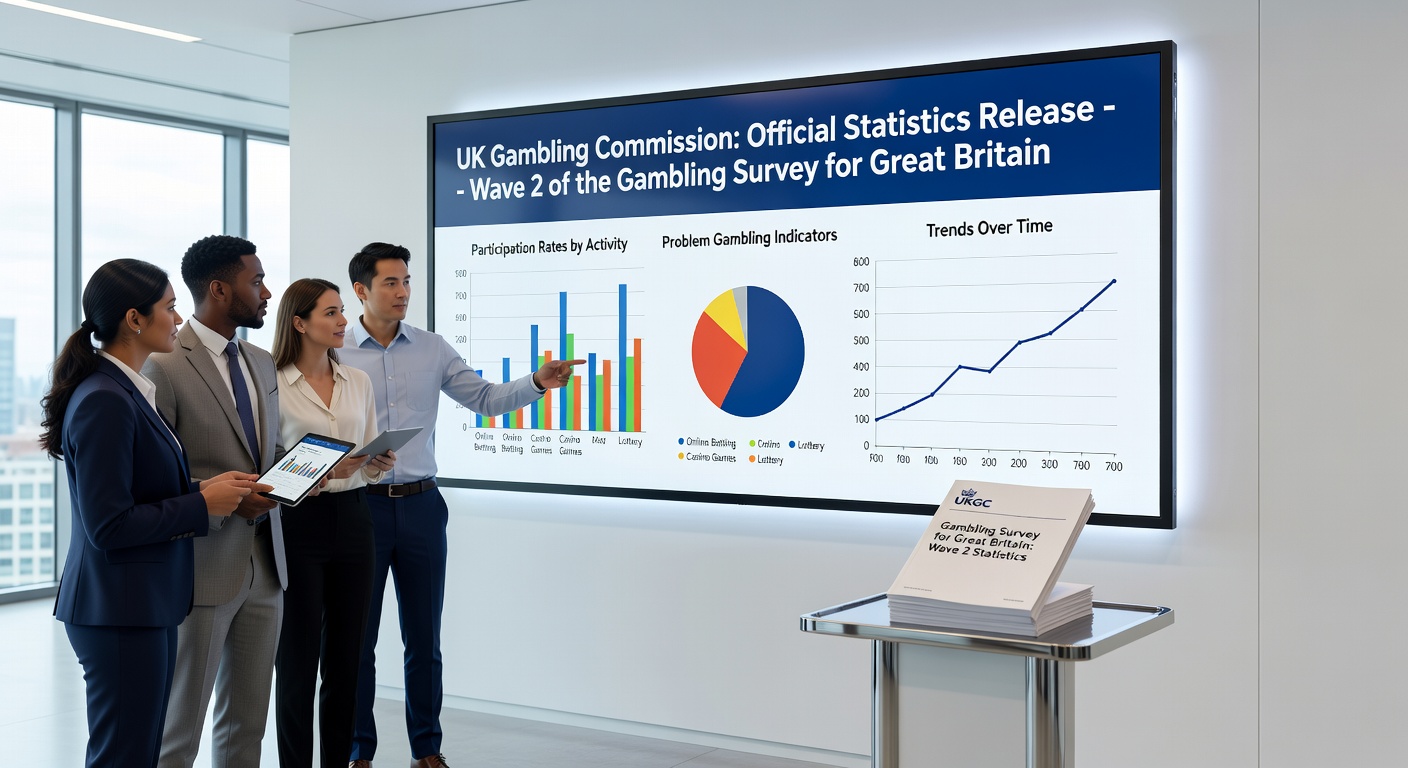
Participation Rates Reveal Widespread Engagement
Fifty percent of adults in England reported gambling in the past 12 months, a figure that encompasses everything from casual lottery tickets to regular online sessions, while 10% ventured online, with men showing higher uptake in this digital space. Data indicates these trends hold steady across demographics, although younger groups and urban dwellers lean heavier into apps and sites for their flexibility. Researchers who've crunched the numbers find that such participation, broad as it is, underscores betting's cultural foothold, woven into social fabrics from pub chats to smartphone screens.
But here's the thing: online's 10% slice punches above its weight, driving disproportionate revenue because sessions last longer and stakes can escalate quickly; men, who dominate this category, often cite sports betting as their go-to, aligning with those real event yields from Q4. It's noteworthy that overall adult involvement at 50% hasn't budged dramatically, yet the shift toward digital means platforms capture more time and money from the same pool of people.
- England adults gambling past year: 50%
- Online gamblers: 10%, skewed toward men
- Monthly slots players: 4.4 million
These stats, drawn from comprehensive surveys, paint a picture of steady rather than explosive participation growth, but one where quality—measured in yield and spins—outpaces quantity every time.
Gambling Harm Emerges as Key Concern
Problem gambling touches 0.3% of the population, a low but persistent rate, while broader harms affect 20% through indirect impacts like family stress or financial ripple effects; NHS referrals for gambling-related issues climb steadily, signaling heightened awareness and intervention needs. Figures from recent reports show how these challenges, though affecting a minority directly, cast long shadows, prompting regulators to tighten affordability checks and advertising rules even as the market expands.
So, experts observe that the 0.3% problem rate, stable on paper, masks nuances: online players face higher risks due to speed and accessibility, and that's where the 20% broader harm figure gains traction, encompassing loved ones caught in the wake. Rising NHS referrals, up amid post-pandemic mental health strains, highlight a system responding proactively, with clinics seeing more cases tied to slots and sports betting binges.
One study revealed how 4.4 million monthly slots players, while mostly recreational, contribute to harm stats when sessions stretch unchecked; those who've tracked referrals note seasonal upticks mirroring yield spikes, like that Q4 boom. The reality is, as yields hit £1.54 billion, safeguards evolve too, with tools like deposit limits and self-exclusion gaining traction to curb excesses without stifling growth.
Online Platforms and Regulations Propel the Surge
Online platforms drive the projected leap to $13 billion, offering seamless access via apps and sites that turn anytime wagering into reality, while regulatory changes—such as streamlined licensing and consumer protections—create a fertile ground for innovation; the 5.4% CAGR emerges from this synergy, where tech meets oversight to expand safely. Operators leverage data analytics for tailored experiences, boosting those 23.9 billion spins, and real event betting thrives on live streaming integrations that keep £647 million flowing.
What's significant is how regulations, far from hindering, enable scale: recent tweaks lower barriers for compliant firms, channeling growth into licensed channels and away from black markets. And as March 2026 unfolds, fresh data affirms this, with online yields mirroring Q4's 21% rise and participation holding at 50% but skewing digital.
Take one operator who ramped up mobile features; they saw player numbers mirror the 4.4 million monthly slots crowd, proving the model works when backed by rules that build trust. That's where the rubber meets the road: balanced regulation sustains the path to 2033's $13 billion milestone.
Looking Ahead: Sustained Momentum Meets Challenges
The UK betting market's story, from Q4's £1.54 billion yield to the $13 billion horizon, weaves growth with caution, as online dominance and regulatory evolution keep the engine humming; participation at 50%, harm at manageable levels, and slots' billion-spin frenzy all point to a sector adapting nimbly. Data underscores resilience, with March 2026 updates reinforcing the 5.4% trajectory amid economic steadiness.
Yet, broader impacts like that 20% harm footprint remind stakeholders to prioritize protections, ensuring expansion benefits most without undue costs. Observers who've followed these cycles know the ball's in regulators' and operators' courts now, charting a course where yields climb responsibly into 2033.