Remote Casinos Eclipse Sports Betting: UK Online Gambling's Dominant Shift in 2026
23 Apr 2026
Remote Casinos Eclipse Sports Betting: UK Online Gambling's Dominant Shift in 2026

The Seismic Market Flip Projected for 2026
Figures from iGamingToday paint a clear picture of transformation in the UK online gambling landscape, where remote casino gaming surges ahead to claim the top spot over traditional sports betting by 2026; this shift marks a pivotal moment, as casino activities like slots and table games draw more revenue and player engagement than ever before, while sports wagering, long the heavyweight champion, slips into second place. Observers note how digital slots, live dealer blackjack, and roulette variants fuel this ascent, pulling in punters who crave instant thrills over match-day suspense.
But here's the thing: this isn't some wild guess; data indicates steady adult participation hovering between 25% and 33%, a band that's held firm despite economic ups and downs, showing gambling's entrenched role in British leisure habits. And while total numbers stay consistent, the action migrates en masse to mobile platforms, where apps and responsive sites handle the bulk of spins and bets, turning commutes and downtime into prime playtime.
Mobile's Magnetic Pull Reshapes Player Habits
People who've tracked these trends see mobile dominance as no surprise, since smartphones now host over half of all online gambling sessions in the UK; by 2026, this figure climbs even higher, with remote casinos leading the charge because their quick-load games fit perfectly into on-the-go lifestyles, unlike sports betting that often ties users to event schedules. Take one typical punter juggling a 9-to-5: they fire up a slots app during lunch, chase a few roulette rounds on the train home, all while sports fans wait for weekend fixtures.
What's interesting is how this mobile boom coincides with tech upgrades; operators roll out seamless wallets, touch ID logins, and VR previews that keep players hooked longer, and since participation rates don't budge from that 25-33% sweet spot, it means existing gamblers dive deeper into casino play rather than new faces flooding in. Experts who've crunched the numbers reveal that session lengths stretch on mobiles, boosting gross gaming revenue without expanding the player pool.
Yet the shift carries ripples: traditional desktop users dwindle, forcing platforms to prioritize app stores and push notifications; those who study user data point out how iOS and Android tweaks, like faster 5G connections, supercharge this trend, making remote casinos the go-to for impulse bets that sports betting can't match in immediacy.
Navigating the Regulatory Tightrope
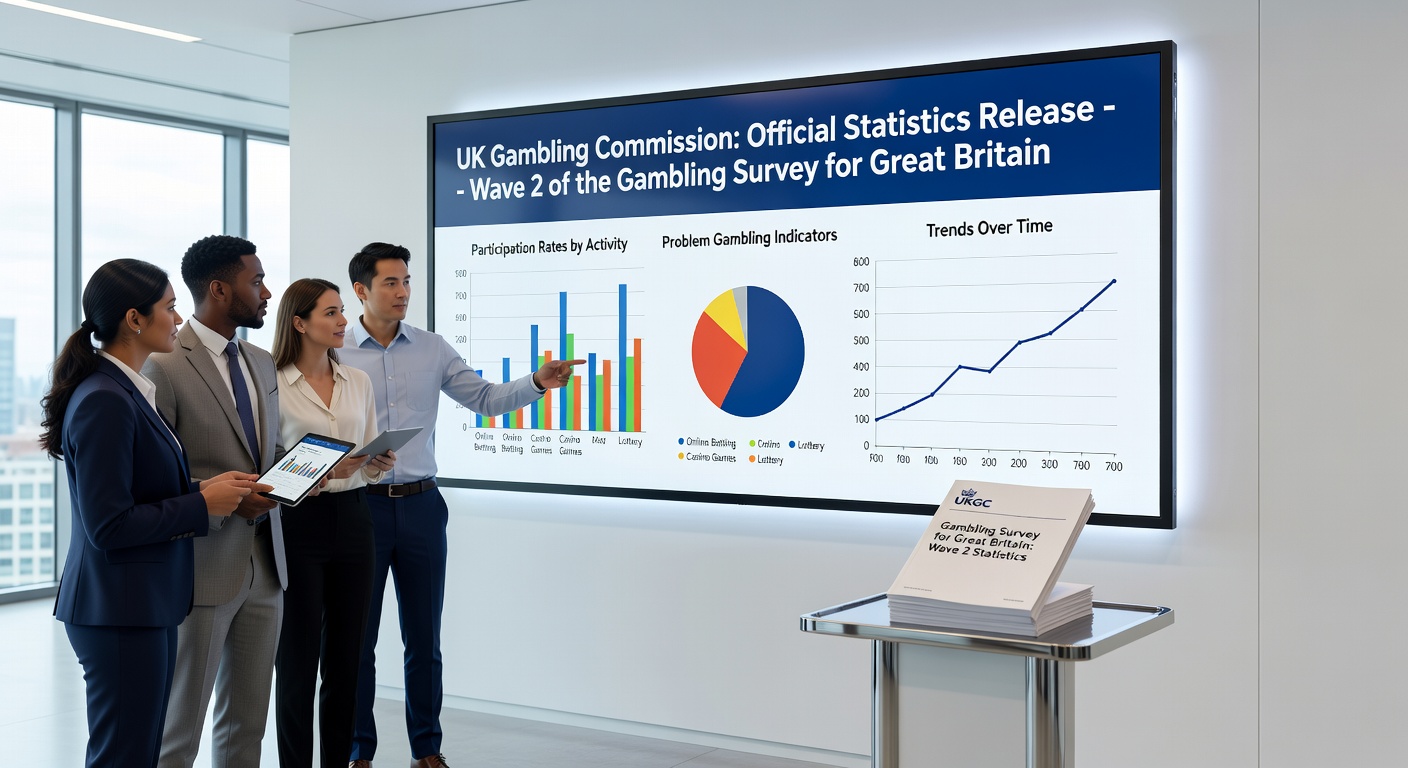
Operators tread carefully under the UK Gambling Commission's watchful eye, where licensing demands, anti-money laundering (AML) protocols, and advertising curbs shape every move; these rules, tightened post-2020s reviews, push firms to innovate in compliance tech like AI-driven transaction monitoring and geo-fencing for age checks, all while remote casinos boom. Compliance isn't just checkboxes anymore; it's baked into the business model, with firms deploying blockchain for transparent audits that satisfy regulators and build player trust.
Seminars and case studies from industry watchers highlight how one major operator slashed AML false positives by 40% through machine learning, freeing resources for game development; and although ad restrictions limit TV spots and influencer tie-ups, operators pivot to SEO, affiliate networks, and in-app promotions that skirt the edges without crossing lines. This regulatory dance fosters a safer ecosystem, where problem gambling tools like deposit caps and self-exclusion portals become standard, even as casino revenues climb.
Now, in April 2026, fresh audits reveal operators meeting these standards head-on, with license renewals hinging on proven track records; those who falter face hefty fines or shutdowns, but successes pave the way for market leaders to expand casino offerings amid the sports betting fade.
Economic Engines: Jobs, Taxes, and Broader Impacts
The sector churns out tens of thousands of jobs across tech, customer service, and compliance roles, sustaining high streets from London to Leeds; data shows remote casinos amplifying this, as their 24/7 nature demands round-the-clock staffing, from developers coding live dealer streams to support agents handling midnight queries. And the tax take? A solid 21% of gross gaming yield flows to the Treasury, funding public services while the industry lobbies for balanced reforms.
But it's not all numbers; local economies feel the lift, with suppliers in Manchester crafting custom casino software and call centers in Glasgow buzzing during peak hours; researchers who've mapped these contributions note how every £1 billion in casino revenue supports 5,000+ positions indirectly through tourism and tech spin-offs. This economic muscle strengthens the case for regulatory adaptation, as policymakers weigh growth against safeguards.
Turns out, the mobile casino surge multiplies these effects; app ecosystems spawn freelance designers and marketers, creating gig opportunities that traditional sports betting hubs overlook, and since participation stays steady at 25-33%, the wealth circulates within a reliable player base rather than volatile influxes.
Digitalization Drives the Long-Term Play
Ongoing trends toward digitalization redefine the UK betting scene, with remote casinos embodying the future through immersive tech like augmented reality tables and personalized algorithms that nudge bets toward favorites; sports betting, while innovative with in-play options, can't compete with casino's endless variety, available any hour. Observers who've followed the arc see this as evolution, not revolution; platforms blend elements, offering casino-sports hybrids, yet pure remote gaming pulls ahead in revenue shares.
Case in point: one platform's pivot to mobile-first casinos doubled user retention, as punters stick around for loyalty perks tailored to slots marathons over one-off match wagers; and with regulations adapting via consultations on crypto payments and metaverse lounges, the stage sets for sustained growth. People in the know highlight how April 2026 consultations on advertising tweaks could loosen reins just enough to fuel casino ads on social feeds, accelerating the overtake.
What's significant is the resilience; economic headwinds like inflation haven't dented that 25-33% participation, proving digital casinos' appeal cuts through, while mobile accessibility ensures no one misses a spin, no matter the weather or fixture delays.
Conclusion
As 2026 projections solidify, remote casinos stand tall as the UK's online gambling powerhouse, eclipsing sports betting through mobile mastery and regulatory savvy; with adult engagement locked at 25-33%, economic boons like tens of thousands of jobs and 21% tax yields underscore the sector's vitality, all while digital trends propel adaptation. Operators who master compliance and innovation hold the keys, shaping a landscape where casino thrills reign supreme, and the betting world keeps evolving in real time.