Punts in Play: Fresh Trends and Headlines Reshaping UK Betting
5 Apr 2026
UK Gambling Commission Wave 2 Survey Shows Betting Participation Climbing to 12% as Horse Racing Draws Crowds

Fresh Data from the Gambling Survey for Great Britain
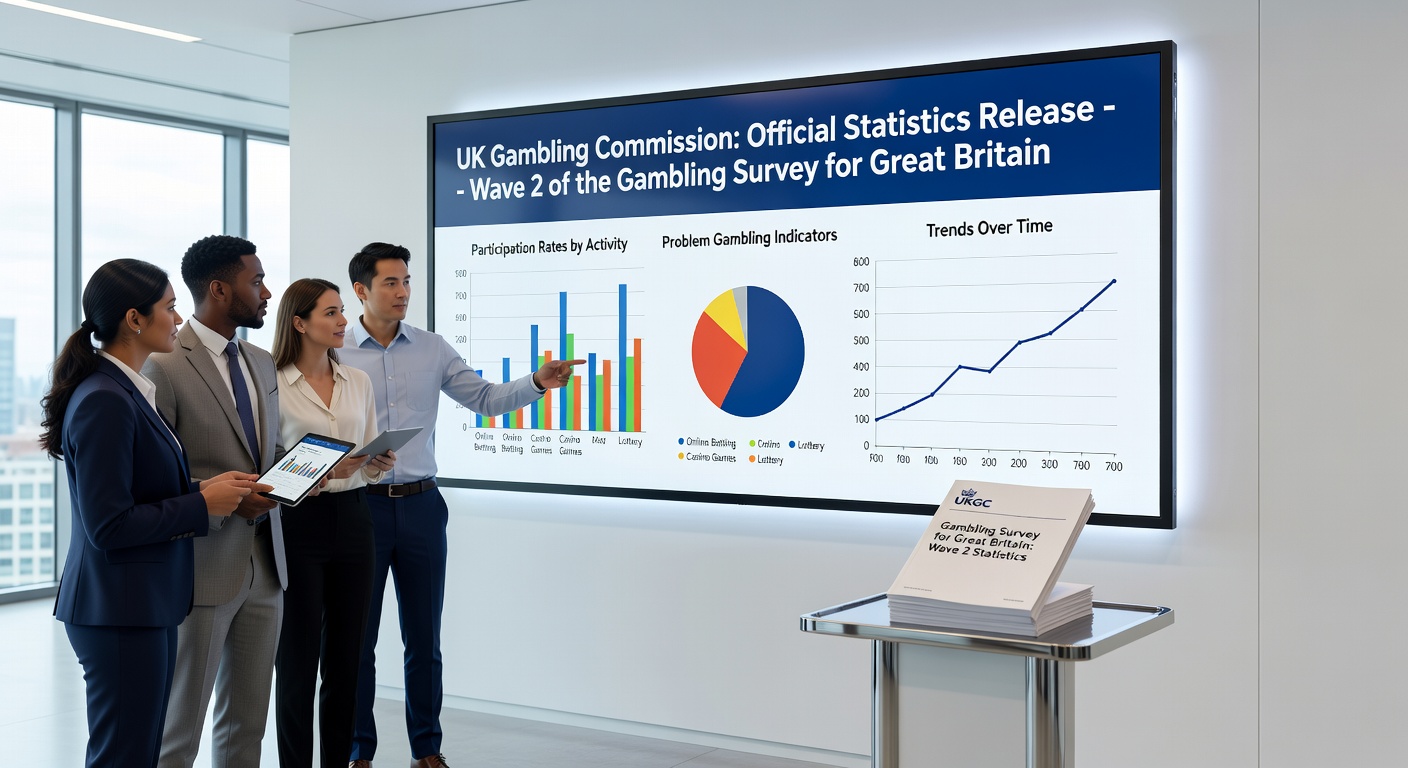
The UK Gambling Commission has dropped its latest batch of statistics from Wave 2 of the Gambling Survey for Great Britain—fieldwork spanning April to July 2025—and the numbers paint a picture of steady, event-driven activity in the betting world; overall past four-week gambling participation hit 47%, while excluding those who only played the lottery dropped it to 28%, figures that underscore how lotteries still anchor widespread engagement even as other forms fluctuate.
Betting stands out here, clocking in at 12% participation over the same four weeks, a notable three percentage point jump from Wave 1's levels back in January to April 2025; that rise aligns closely with patterns seen throughout 2024, especially when big events roll around and pull punters back to the tracks or screens, since seasonal boosts like these have long shaped the rhythm of UK gambling habits.
What's interesting is how horse race betting led the charge, surging to 7%—another three-point leap from the prior wave—thanks to those prime racing periods that light up calendars from spring into summer; observers tracking these trends point out that major meets, with their pageantry and high stakes, consistently draw fresh faces alongside regulars, creating spikes that echo year after year.
Breaking Down the Betting Boom
Data reveals online betting on sports and racing made up 10% of all online gambling activities during this period, while in-person betting trailed at 4%, a split that highlights how digital platforms dominate yet brick-and-mortar spots hold their niche appeal for those seeking the buzz of live crowds; take the horse racing surge, for instance, where experts note that combining online ease with event hype explains much of the uptick, as punters wager from apps during Cheltenham or Royal Ascot without missing the atmosphere.
And yet, the overall 47% participation rate—encompassing everything from slots to sports—stays robust, but stripping out lottery-only players brings focus to the 28% core group diving into higher-risk products like betting; this exclusion matters because it zeroes in on behaviors regulators watch closely, revealing where participation truly intensifies beyond casual draws.
Horse racing's 7% share isn't just a blip; figures show it mirroring 2024's event-aligned highs, with the three-point rise from Wave 1 signaling that April through July—peak season for classics like the Derby—fuels this momentum, while betting's broader 12% reflects sports overlapping with racing, keeping the category humming even as other gambling types hold steady.
Seasonal Patterns and Comparisons to Prior Waves
Turning to Wave 1 from January to April 2025, betting sat lower without those summer racing festivals, but Wave 2's three-point climb to 12% brings it right back to 2024 norms, proving how calendars dictate these swings; researchers who've pored over multi-year data often highlight this—events like Glorious Goodwood or the Eclipse Stakes act as magnets, pulling participation up sharply while quieter months see dips, a cycle that's as predictable as the tides.
Online sports and racing at 10% of online activities underscores the shift toward mobile and web-based wagering, where convenience lets people bet on multiple races in a day from anywhere; in contrast, the 4% in-person figure captures those die-hards at tracksides, yelling finishes amid the roar, yet even there, hybrid habits blend apps with attendance for fuller immersion.
One study case from past surveys shows similar jumps during 2024's big meets, where horse betting rose comparably, affirming that Wave 2's 7% isn't anomalous but part of a well-trodden path; that's where the rubber meets the road for understanding participation—not random, but tied to spectacle and tradition that keeps drawing crowds, even in an increasingly digital era.
Key Demographics and Activity Breakdowns
Although the headline stats grab attention, deeper cuts reveal nuances—like how the 47% overall includes broad swaths across ages and regions, but the 28% non-lottery group skews toward younger adults and males who favor betting over draws; data indicates sports and racing pull heavily from this demographic, with horse racing's appeal bridging casual fans betting once a festival hits and dedicated punters tracking form year-round.
Online's 10% slice of gambling activities points to platforms handling the bulk, where live streaming of races lets bets flow in real-time; in-person's 4%, meanwhile, thrives on social vibes—friends gathering at bookies or tracks—creating loyalty that apps struggle to fully replicate, although many blend both for optimal play.
Experts observing these waves note that the three-point betting increase mirrors football seasons too, but horse racing's isolated 7% spike steals the show here, since April to July packs in more elite fixtures than winter months; it's noteworthy that consistency with 2024 suggests no major disruptions, just the usual event-fueled rhythm holding firm.
Implications for the Gambling Landscape in 2026
As April 2026 approaches—right in the thick of another racing buildup—these Wave 2 figures set the stage for what regulators and operators watch closely, with patterns hinting at sustained 12% betting levels if events deliver as before; the Gambling Commission's ongoing surveys, now into Wave 3 territory, will track whether summer 2025's momentum carries, but historical data leans toward yes, especially with festivals like Epsom and Ascot looming again.
Horse racing at 7% underscores its cultural pull, where participation doesn't just spike but sustains interest through tipsheets, podcasts, and social buzz that amplify wagers; online's dominance at 10% means tech evolves fastest here, with faster apps and better odds drawing the digital crowd, while in-person's 4% reminds everyone that some thrills demand physical presence.
People who've followed these reports over years often spot the stability—47% overall, 28% core, betting's reliable climbs—proving the sector's resilience amid scrutiny; that's the reality, a landscape shaped by seasons more than shocks, keeping participation predictably vibrant.
Conclusion
Wave 2 of the Gambling Survey for Great Britain lays bare a betting scene energized by horse racing's seasonal magic, with 12% participation up three points, horse bets at 7%, online sports/racing claiming 10% of digital action, and in-person at 4%, all syncing with 2024's playbook; these stats from April to July 2025 offer a snapshot of steady, event-driven habits, where lotteries pad the 47% total but core gamblers drive the real action at 28%, setting expectations for 2026's familiar surges. Observers see clear trends here—nothing revolutionary, just the pulse of UK punting beating strong.