Prediction Markets Spark UK Regulatory Firestorm Over Bets on Nuclear War After Iran Strikes
13 Mar 2026
Prediction Markets Spark UK Regulatory Firestorm Over Bets on Nuclear War After Iran Strikes

Platforms like Polymarket have thrust prediction markets into the spotlight, especially after users poured money into bets on nuclear detonation events tied to escalating tensions from US and Israeli strikes on Iran; trading volumes on those markets exploded before operators pulled them offline, leaving regulators and industry leaders grappling with where to draw the line.
The Rise of Prediction Markets and Their Geopolitical Edge
Prediction markets operate much like betting exchanges, where participants wager on the outcomes of future events ranging from election results to weather patterns, and lately, highly charged geopolitical scenarios; these platforms aggregate crowd wisdom into probabilistic forecasts that sometimes outperform traditional polls or expert analyses, drawing traders who see them as tools for hedging risks or simply speculating on world affairs.
Polymarket, a crypto-based leader in this space, gained massive traction during recent global flashpoints, but nothing quite matched the frenzy around markets predicting nuclear detonations; as reports of US and Israeli airstrikes on Iranian targets circulated in late 2025, volumes on those specific contracts skyrocketed—some observers noted surges exceeding 1,000% in a matter of hours—before the platform swiftly removed them amid mounting outcry.
What's interesting here is how these markets mirror real-time sentiment; traders buying "yes" shares on nuclear events effectively priced in fears of escalation, creating odds that fluctuated wildly while news wires buzzed with strike confirmations and retaliatory threats from Tehran.
Backlash Builds: Profiting from the Brink?
Criticism poured in fast, with DraftKings CEO Jason Robins voicing sharp concerns over platforms that enable wagers on such dire possibilities; Robins highlighted how these bets cross into territory that feels like profiting from human suffering, especially when volumes spike on markets forecasting atomic blasts amid active conflicts.
And yet, platforms defend their model by pointing to the information value these markets provide—traders' collective bets often signal shifts before headlines catch up—although the optics of gambling on nuclear war have fueled calls for tighter controls, particularly as similar events unfold into early 2026.
Take the Iran strikes: US forces targeted nuclear facilities, Israel hit proxy networks, and Iran vowed reprisals; within days, Polymarket's nuclear market saw unprecedented activity, only to vanish from listings, prompting questions about self-regulation versus outright bans.
UK's Unique Stance: Gambling Commission Draws a Line
In the UK, the Gambling Commission classifies operators like Polymarket as licensed betting intermediaries when they facilitate wagers on real-world events, subjecting them to rules on fairness, consumer protection, and anti-money laundering; this approach treats prediction markets more like traditional bookmakers than complex financial instruments.
That said, the distinction sharpens against US regulations, where bodies like the Commodity Futures Trading Commission view certain prediction contracts as derivatives requiring stringent oversight, often prohibiting event contracts on terrorism, war, or gaming outcomes; UK operators, by contrast, navigate lighter-touch rules as long as they hold remote gambling licenses, although recent debates question whether nuclear bets push boundaries too far.
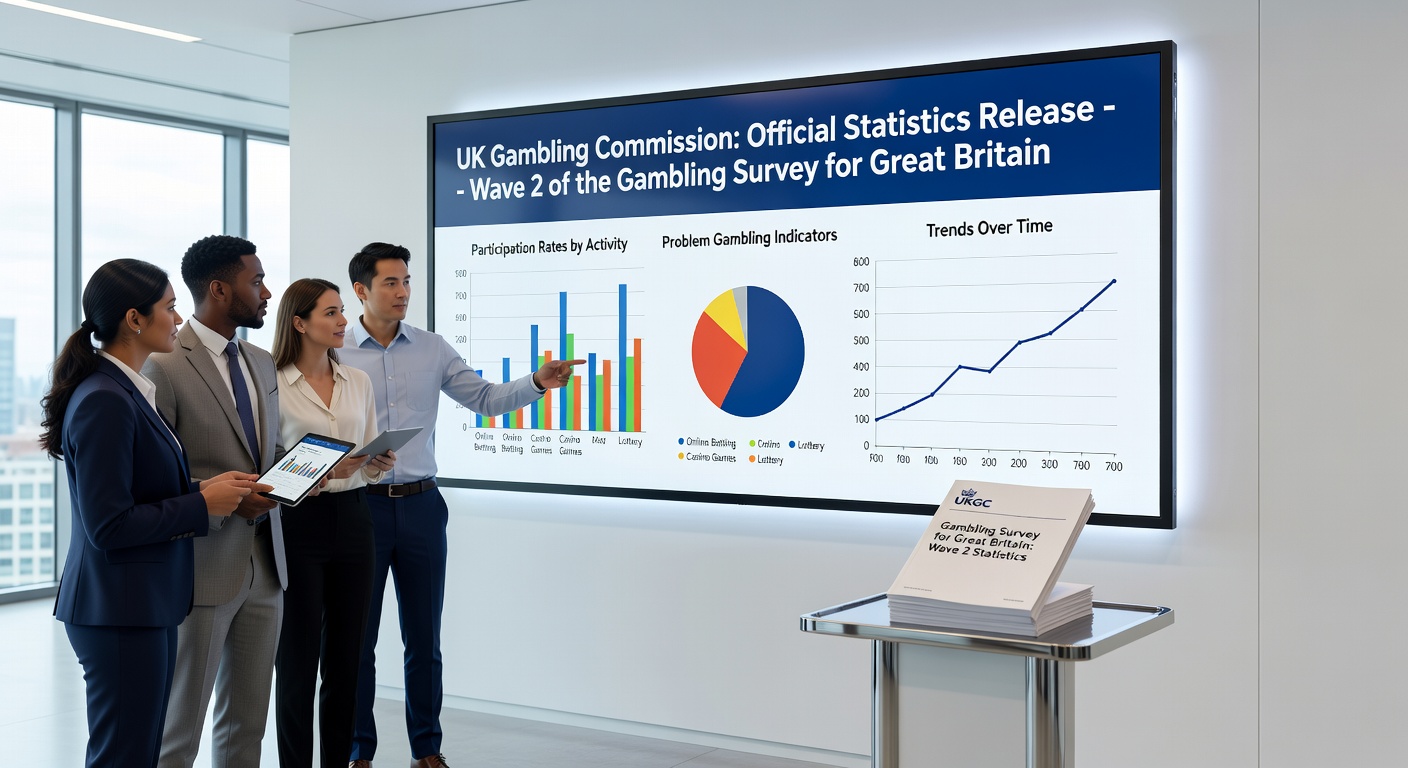
Figures from the Commission reveal that licensed intermediaries handled billions in bets last year, with prediction-style markets carving out a growing niche; but as volumes on sensitive geopolitical plays like the Iran-related nuclear wagers ballooned—data indicates peaks that drew thousands of participants in minutes—lawmakers began probing whether current frameworks suffice for 2026's heightened risks.
From Surge to Shutdown: What the Data Shows
Trading data captured before the nuclear market's removal paints a vivid picture: initial low-volume contracts on "nuclear detonation by end of month" traded at slim odds, but post-strike news flipped that script; shares rocketed as whales piled in, pushing "yes" probabilities above 20% briefly, while smaller traders chased the momentum.
Observers note this isn't isolated—similar spikes hit markets during past crises, like Ukraine escalations or Taiwan Strait tensions—yet the Iran context, with its direct nuclear undertones, amplified the uproar; Polymarket's decision to delist came swiftly, citing community guidelines against markets that could incite harm, although archived trades still circulate as evidence of demand.
But here's the thing: while volumes tell one story of trader interest, they also underscore ethical flashpoints; industry watchers track how such events erode public trust, especially when everyday punters mix these high-stakes bets with sports or politics wagers on the same platforms.
Regulatory Ripples Across the Atlantic
US platforms face steeper hurdles under CFTC rules, which ban event contracts on "lawful activities" like elections unless approved, and outright prohibit those on warfare or assassination; this leaves crypto exchanges like Polymarket—headquartered offshore—to skirt bans by operating in gray zones accessible via VPNs to American users.
In contrast, UK intermediaries enjoy clarity under the Gambling Act 2005, where remote bets on future events qualify as gambling if they involve chance and prize; the Commission enforces this through license conditions, demanding robust age verification and responsible gambling tools, even as prediction markets evolve with blockchain tech.
Yet tensions simmer into March 2026, with parliamentary committees reviewing whether to amend definitions amid post-Iran strike fallout; experts who've studied these platforms point out that while bans might drive activity underground, enhanced disclosure—say, warning labels on war markets—could balance innovation and safeguards.
Industry Voices and the Path Forward
Jason Robins' comments resonated widely, as DraftKings—a mainstay in sports betting—distances itself from geopolitical extremes; Robins argued that profiting from suffering undermines the entire sector's legitimacy, especially when nuclear bets evoke Cold War doomsday clocks ticking louder.
Polymarket responded by emphasizing resolution rules tied to verifiable sources like Reuters or official statements, ensuring payouts reflect reality rather than rumor; still, the episode highlights fractures, with some traders migrating to decentralized alternatives that dodge central shutdowns altogether.
People who've tracked these markets often discover patterns where hype drives volume but resolution brings clarity; one case saw a post-strike market settle "no" after de-escalation talks, rewarding patient "no" holders handsomely, although the human cost of mispriced fears lingers in debates.
That's where the rubber meets the road for regulators: balancing free markets against moral hazards, particularly as AI-driven predictions enter the mix, potentially amplifying crowd signals on existential threats.
Conclusion
The saga of prediction markets betting on nuclear war risks post-Iran strikes encapsulates a pivotal moment for UK gambling oversight; with Polymarket's volumes surging then vanishing, and voices like Jason Robins amplifying ethical concerns, the Gambling Commission's intermediary framework faces its toughest test since crypto betting boomed.
As March 2026 unfolds, committees weigh tweaks to licensing—perhaps capping sensitive markets or mandating ethical reviews—while US-style derivative curbs loom as a cautionary parallel; ultimately, data from these events suggests prediction platforms won't fade, but how the UK channels their power without courting catastrophe remains the ball in regulators' court.