21 May 2026
UK Gambling Commission Moves Toward Affordability Checks as Racing Sector Voices Alarm

Approval Expected This Week
The UK Gambling Commission is expected to approve new financial risk assessments on Thursday, requiring many punters to provide salary or asset details before continuing to gamble, while the measures have drawn urgent calls for a pause from former proponents including James Noyes and ex-gambling minister Stuart Andrew MP. Observers note that the changes aim to strengthen consumer protections across online betting platforms, yet the British Horseracing Authority has warned of up to £250m annual revenue losses as bettors may shift to the unregulated black market. Those who've studied this know the measures are seen as disproportionately affecting horse racing despite evidence that it is one of the safer gambling products, and the timing coincides with broader regulatory updates rolling out in May 2026.
Details of the Proposed Checks
Under the framework, operators would trigger enhanced affordability checks once a customer's deposits or losses reach certain thresholds, prompting requests for proof of income or assets such as bank statements, payslips, or property valuations. The process intends to identify individuals who might be gambling beyond their means, and the Gambling Commission has outlined that these assessments would apply across multiple product types rather than targeting any single sector. Data from the latest statistics on gambling participation show steady engagement levels among UK adults, which regulators cite when justifying the need for tighter controls on spending patterns.
Yet the rollout schedule has prompted immediate pushback, with Noyes and Andrew publicly urging a delay to allow more consultation with industry stakeholders. Their statements highlight concerns that abrupt implementation could drive activity underground without addressing underlying behavioral issues. The British Horseracing Authority has quantified potential fallout at £250m per year in lost revenue, arguing that the checks would hit racing harder than other forms of betting because of higher average stakes and longer session durations typical in that market.
Industry and Sector Responses
Take one researcher who tracked betting volumes across different sports and found that horse racing accounts for a significant share of high-value transactions, making it especially exposed when new verification layers are introduced. The authority's warning centers on the risk that regular customers, faced with repeated requests for financial documentation, might migrate to offshore or illegal operators where no such safeguards exist. Figures reveal that even a modest percentage shift to the black market could erode legitimate turnover substantially, and this prospect has intensified calls for a more measured introduction of the checks.
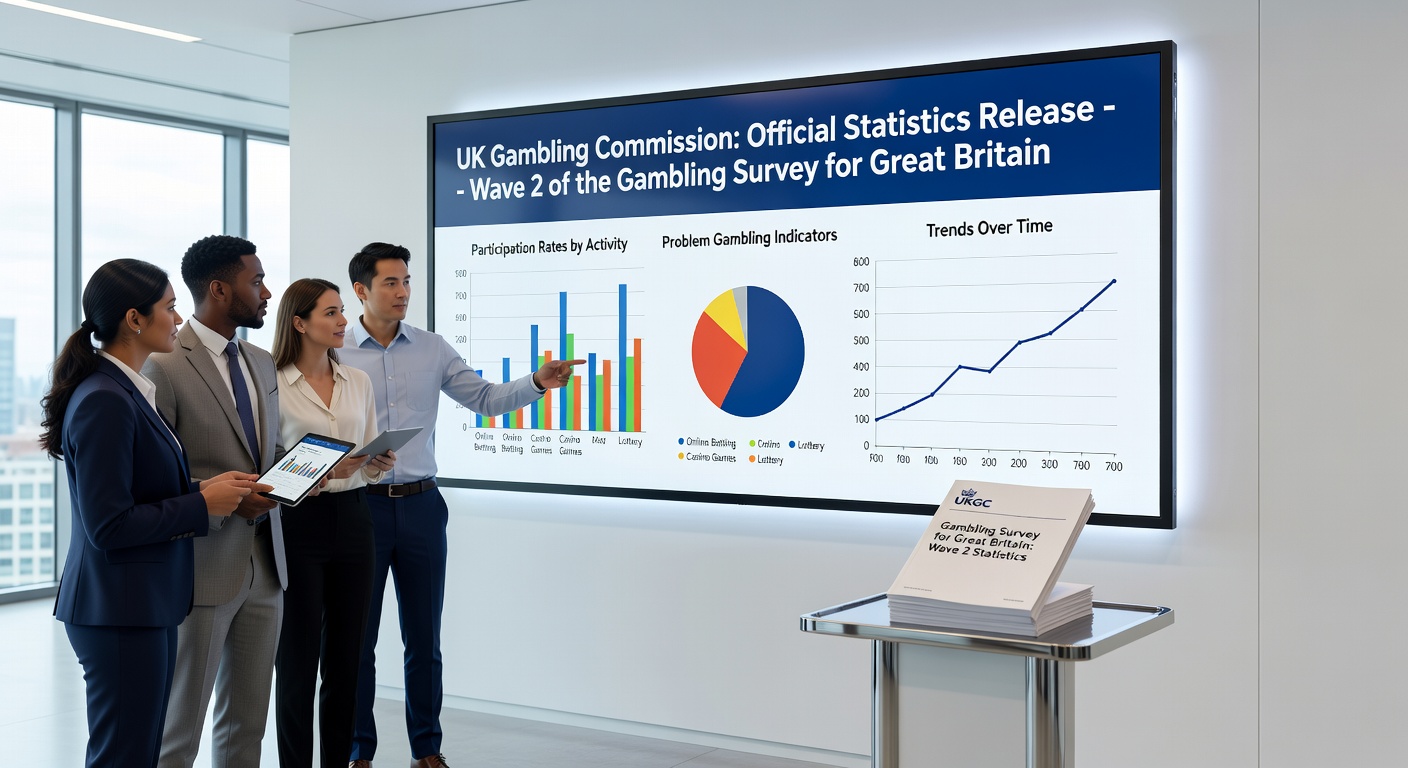
Experts have observed that horse racing already demonstrates lower problem-gambling rates compared with some casino-style products, which adds weight to arguments that the checks may apply unevenly. Proponents of the pause suggest a phased approach could test the system on higher-risk activities first, allowing regulators to gather real-world data before expanding scope. Andrew, who previously supported tighter affordability rules during his ministerial role, now stresses the importance of balancing protection with the survival of regulated markets that contribute taxes and fund sports like racing.
Potential Market Shifts
The threat of revenue migration to unregulated channels has become a focal point in discussions around the new rules. Observers note that black-market operators typically offer fewer restrictions and faster payouts, which could appeal to customers unwilling to share salary or asset details. The British Horseracing Authority projects that such a shift would not only reduce operator income but also diminish contributions to prize money, breeding programs, and grassroots racing initiatives that rely on betting levies. Those who've examined similar regulatory changes in other jurisdictions point out that abrupt enforcement often accelerates movement toward illicit platforms rather than curbing excessive play.
Regulators maintain that the checks form part of a wider strategy to promote responsible gambling, and they reference participation statistics showing consistent involvement across age groups and regions. The expectation is that once operators integrate the assessments smoothly, customer trust in the licensed sector will increase and overall compliance will improve. Still, the immediate reaction from racing bodies and former policy advocates indicates that more dialogue is required before Thursday's anticipated decision takes effect.
Looking Ahead
As the Gambling Commission prepares to finalize its position, stakeholders across the betting and racing sectors are monitoring developments closely. The combination of affordability requirements, revenue projections, and safety comparisons for different products continues to shape the debate, and the outcome will likely influence how operators structure customer verification processes moving forward. Evidence gathered in the coming months could determine whether adjustments to thresholds or timelines become necessary to maintain a stable, regulated market.
Conclusion
The expected approval of financial risk assessments marks a significant step in UK gambling regulation, bringing new verification demands for many customers while prompting calls for caution from key figures and warnings of substantial losses for horse racing. With potential movement toward unregulated alternatives and ongoing questions about product-specific impacts, the coming weeks will test how effectively the measures can be implemented without unintended consequences for the wider betting landscape.